


The immigration process can be stressful, especially when you're worried about your future and your family's well-being. Uncertainty about your immigration status, fear of family separation, and constant immigration news can affect your mental and emotional health.
Many people in our community live with these worries every day. However, between work, children, and family responsibilities, they don't always realize how much stress they're carrying or when it's time to seek help.
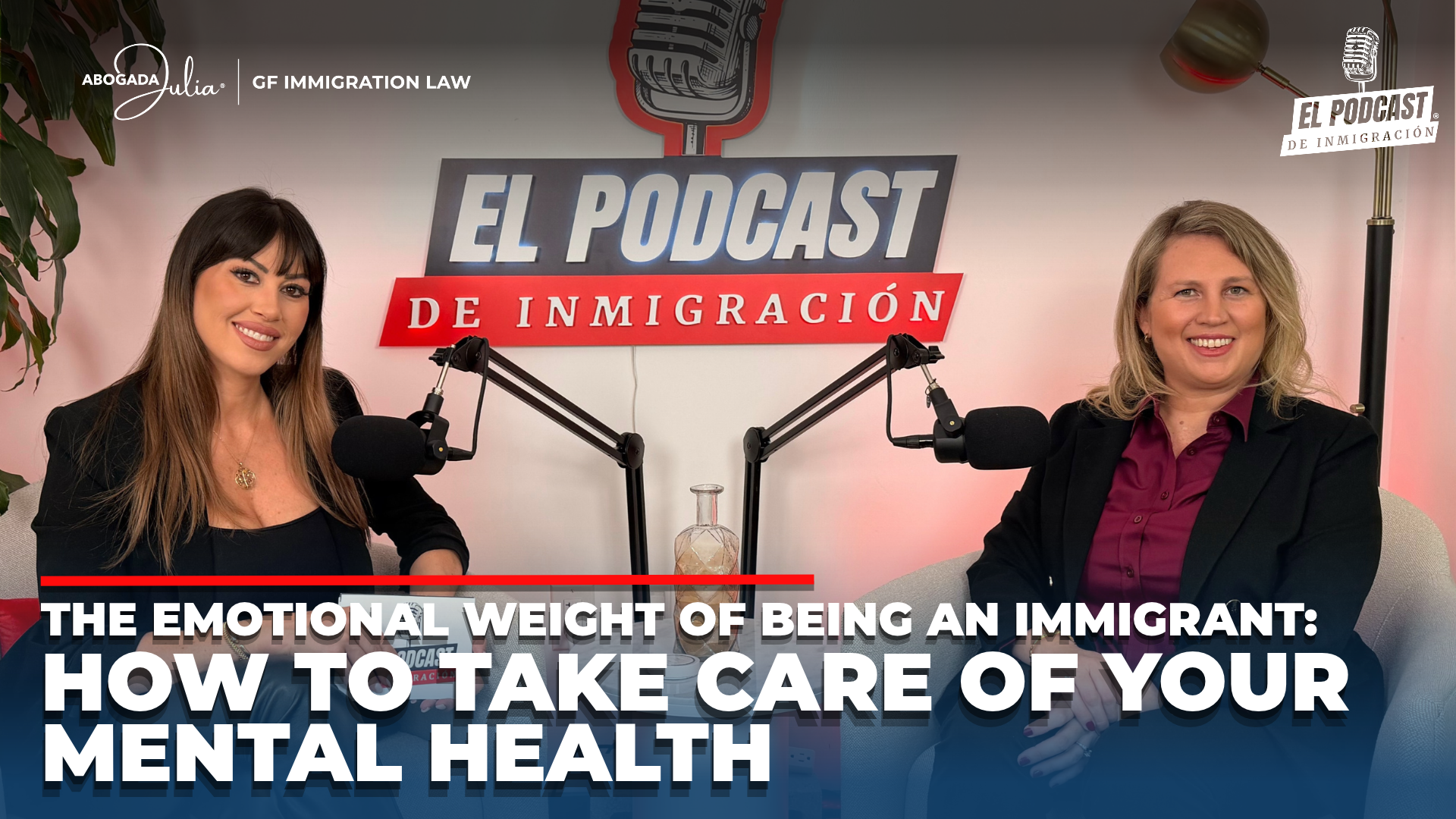
Attorney Julia spoke with Carla Parola, a licensed therapist who specializes in psychological evaluations for immigration cases, about the emotional impact of immigration, the warning signs we should pay attention to, and the importance of taking care of our mental health.
This article highlights the most important points from their conversation, which you can also watch here.
¿How Immigration-Related Stress Can Affect Your Mental Health?
Stress is a normal part of life, but when it continues for a long time, it can affect both your physical and mental health.
For immigrants, concerns about immigration status, family separation, or the possibility of deportation can create a constant state of fear or uncertainty.
According to Parola, our nervous system is designed to handle stress for short periods. However, when someone experiences ongoing stress, it can begin to affect their overall well-being.
Some common signs include:
- Difficulty sleeping or changes in appetite.
- Feelings of anxiety, irritability, or being overwhelmed.
- Difficulty concentrating.
- Feelings of sadness or depression.
- Constantly feeling on edge or having trouble relaxing.
In children, the effects may appear differently, especially when they fear being separated from their parents or family members.
It's also important to pay attention to the content children see on social media. In today's immigration climate, constant exposure to alarming news or videos can increase their fear of family separation.
Some signs of stress in children include changes in eating habits, bedwetting after having previously stopped, fear of leaving home, or losing interest in activities they once enjoyed.
When Should You Seek Professional Help?
Feeling stressed or having a bad day doesn't necessarily mean you need professional help. However, when anxiety, fear, or sadness become constant or begin to affect your daily life, it may be time to speak with a mental health professional.
Sometimes, our family members or friends notice changes in our behavior before we recognize them ourselves.
If someone close to you expresses concern about your well-being, consider listening to what they have to say.
Seeking help is not a sign of weakness. Just as you would see a doctor for a physical injury, taking care of your mental health is equally important.
¿How Psychological Evaluations Can Help in Immigration Cases?
In some immigration cases, a psychological evaluation can help document how certain experiences, such as domestic violence, persecution, or other traumatic events, have affected someone emotionally.
These evaluations are conducted by qualified mental health professionals and may provide additional evidence to support certain immigration applications, including petitions under the Violence Against Women Act (VAWA) and U Visa cases.
What Happens During a Psychological Evaluation?
According to Parola, an evaluation generally takes place over one or two sessions, depending on each person's circumstances.
During the evaluation, a mental health professional may:
- Conduct a clinical interview to better understand the person's experiences.
- Assess symptoms of anxiety, depression, trauma, or other mental health concerns.
- Use standardized psychological tests when necessary.
- Review relevant documents, including medical records or police reports.
After the evaluation, the professional prepares a written report with their findings. With the person's authorization, this report may be shared with their immigration attorney as supporting evidence for their case.
Why can it be helpful? As an independent professional, a licensed therapist can provide a diagnosis and information that supports other evidence. This may be useful in certain cases, such as VAWA petitions and U Visa applications.
Confidentiality: Psychological evaluations are generally confidential, although certain exceptions are established by law. Parola explained that before beginning an evaluation, individuals are informed about confidentiality and its limitations. Their consent is also requested before the report is shared with their attorney.
The goal is to create a safe environment where people feel comfortable sharing their experiences at their own pace.
It's important to understand that a psychological evaluation does not guarantee approval of an immigration case. However, it may help provide additional information about the emotional impact of a person's experiences.
Where Can Immigrants Find Affordable Mental Health Services?
The cost of services, language barriers, and concerns about immigration status can make it difficult for some people to seek mental health care.
However, organizations and programs may offer free or low-cost assistance.
Some options include:
- Community centers, churches, and nonprofit organizations. Many of these organizations do not ask about immigration status or require health insurance. Some even offer therapy services completely free of charge.
- University clinics. Services are often more affordable, and professionals in training work under the supervision of licensed specialists.
- Free therapy programs. Some nonprofit organizations offer therapy at no cost, although they may have waiting lists. People with VAWA or U Visa cases may qualify for these services.
- Crime victim compensation programs. Many cities offer programs that may help cover therapy costs for people who have experienced crimes.
- 988 Suicide & Crisis Lifeline. If you or someone you know is experiencing a mental health crisis, you can call or text 988 for immediate support.
¿How to Find the Right Mental Health Care for You?
It's important to find care that meets your needs. Ideally, you should work with a professional who respects your values, language, and spiritual beliefs.
For some people, speaking with a pastor or community leader may feel more comfortable than seeing a mental health professional.
Many people find it difficult to talk about their experiences. However, different types of trauma therapy can help people process what they've been through without having to discuss it extensively. One of these approaches is Eye Movement Desensitization and Reprocessing (EMDR).
What matters most is that you feel comfortable and can work with your therapist to find treatment that meets your needs.
Taking Care of Your Mental Health Is Important
The immigration process can bring many challenges, but you don't have to face them alone.
Whether you're worried about your immigration status, going through a difficult experience, or noticing how immigration-related stress is affecting your family, resources are available to help.
If you're not ready to begin therapy or can't find affordable options, there are some habits that may help you manage stress:
- Maintain a routine. Having regular schedules and activities can help you feel more secure and stable.
- Exercise and spend time outdoors. Walking in nature, visiting the beach, or spending time in the mountains can help improve your mood.
- Seek support in your community. Neighbors, churches, and community centers can be important sources of support.
- Practice guided meditation. You can find free guided meditation exercises on platforms such as YouTube.
- Focus on the present. Try to focus on what you can do today instead of constantly worrying about what might happen in the future.
These activities can support your emotional well-being, but they do not replace professional care if symptoms persist.
Taking care of your mental health is also a way of taking care of yourself and your family.
If you're experiencing ongoing stress, anxiety, or other emotional difficulties, consider seeking help from a qualified mental health professional or a trusted community organization.
Important Notice
This information is general and does not replace legal advice.

Ready to take the first step toward understanding your immigration options in the United States?
Every story is different. A consultation with us will allow you to discuss your situation, clarify any questions you may have, and learn what immigration options might apply to your case.
Take the first step toward understanding your options.
Call (877) 926-0808 to schedule a consultation with our team.


